Do Know Your Dealerships Power Requirements?
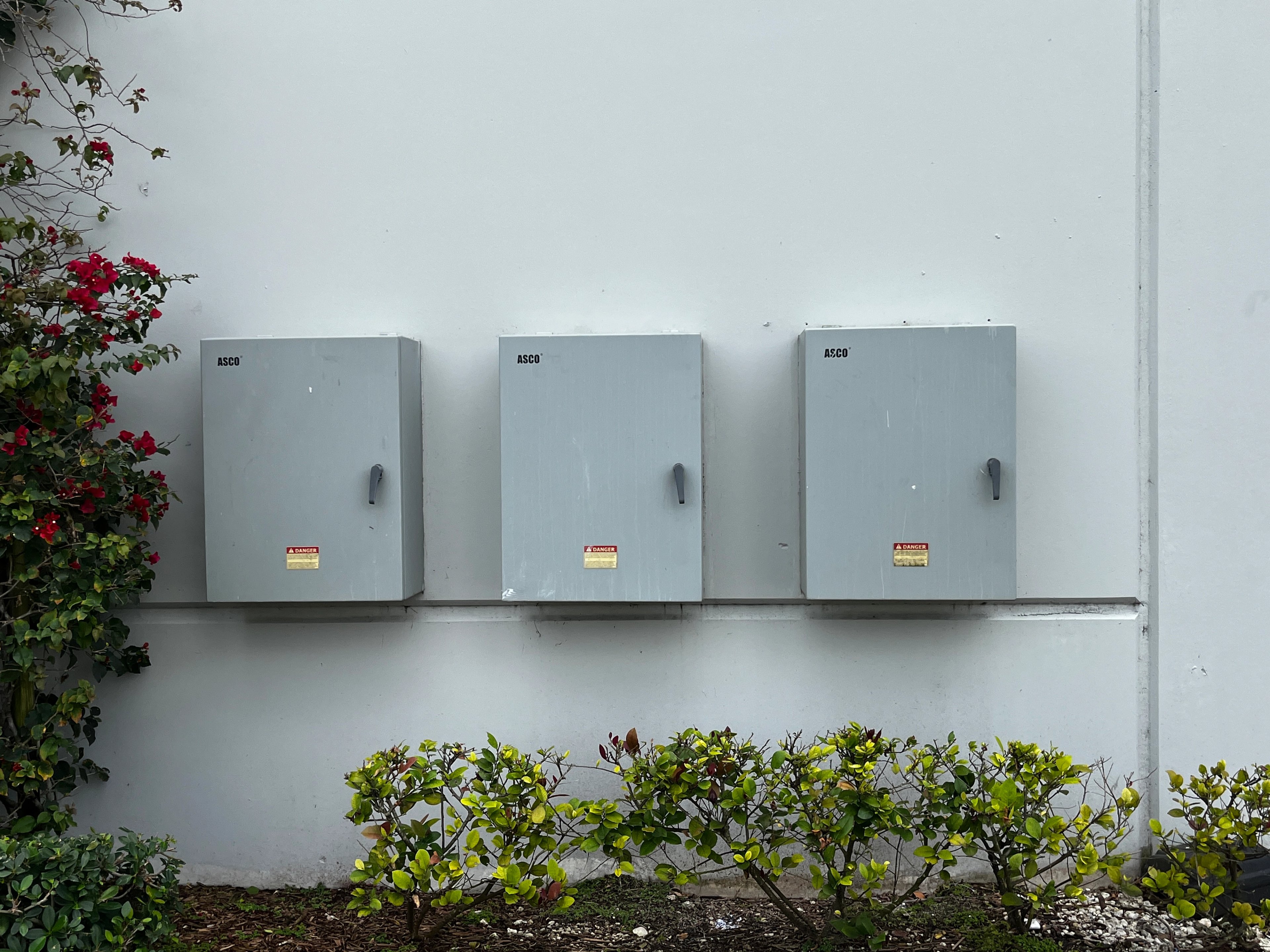
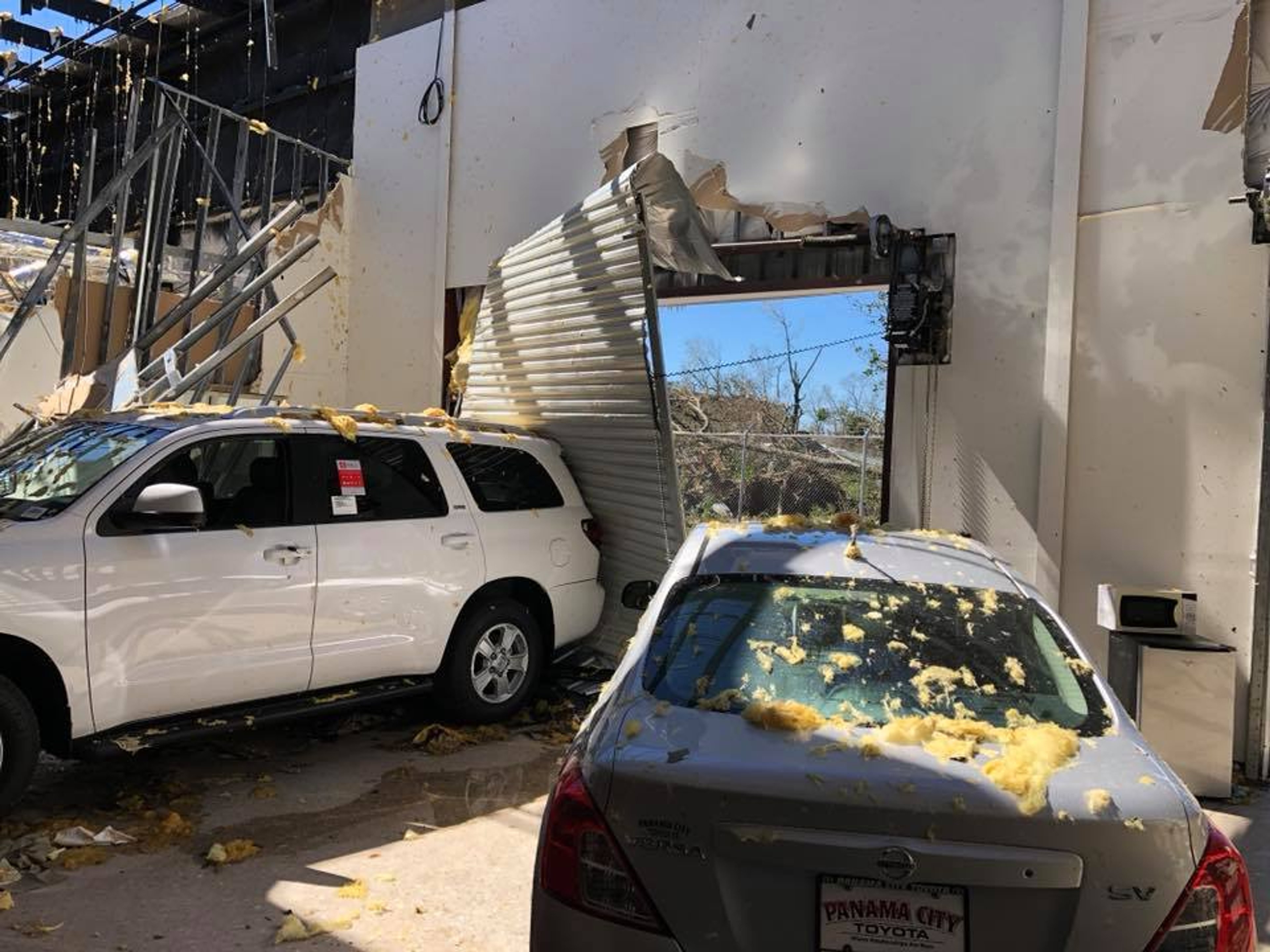
In the event of a natural disaster, do you have access to an electrician or a utility company that can provide you with your electrical panel information?
We recommend keeping the following information on file:
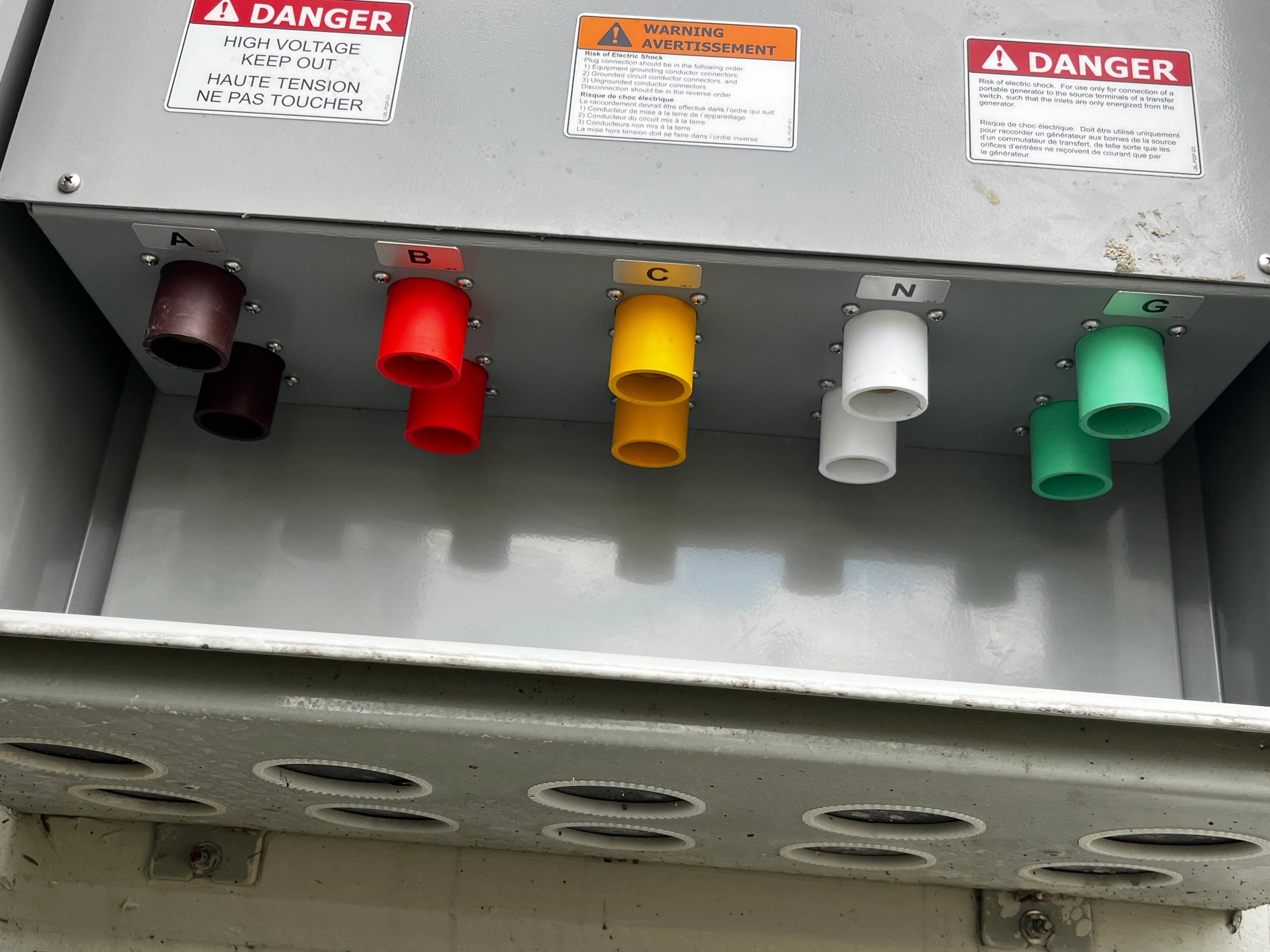
- Power Source (Delta or Wye)
- Phase Type (Three-Phase or Single-Phase)
- Total Amperage (Amps)
- Voltage Settings (e.g., 208V, 240V, 480V)
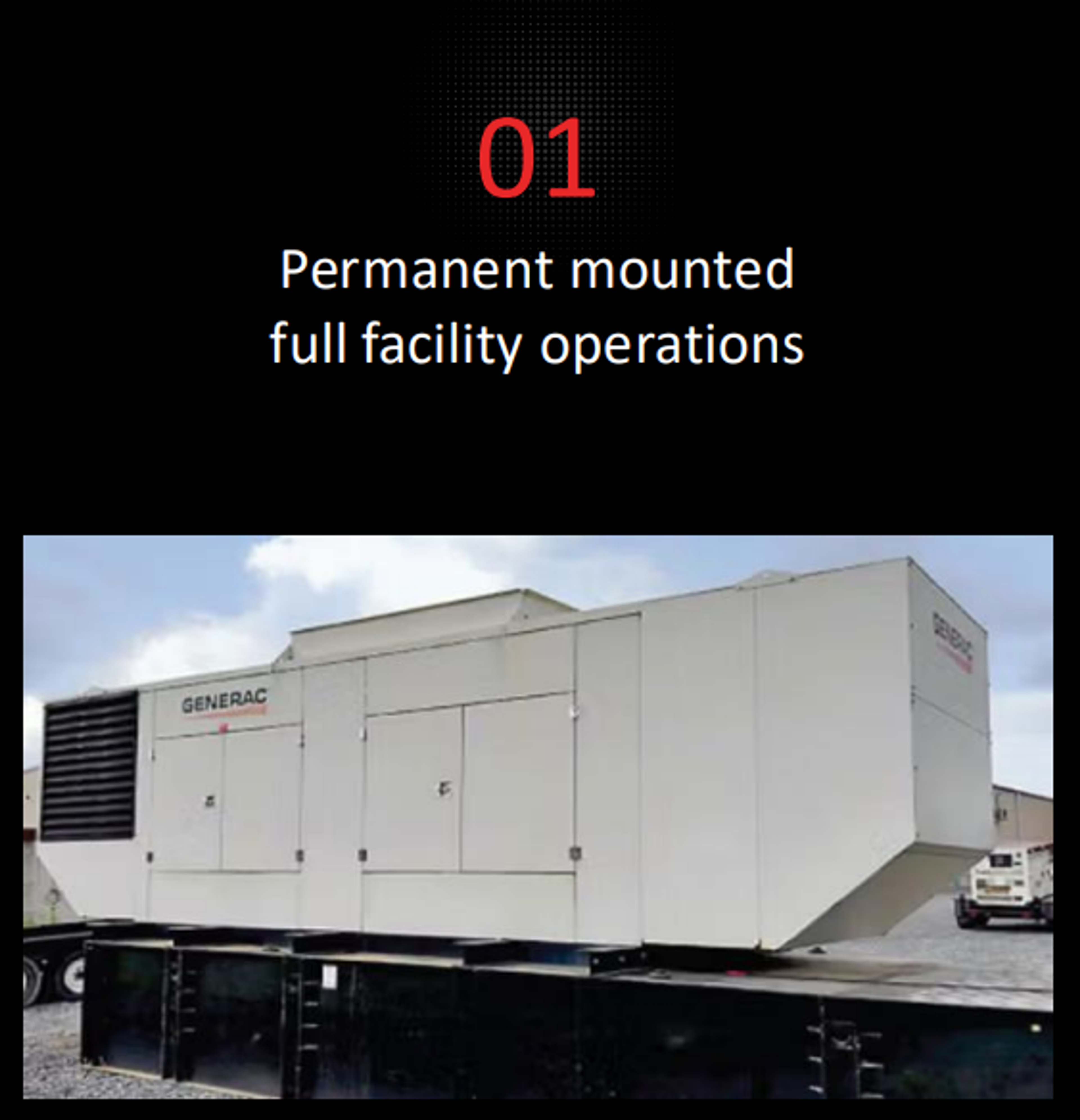
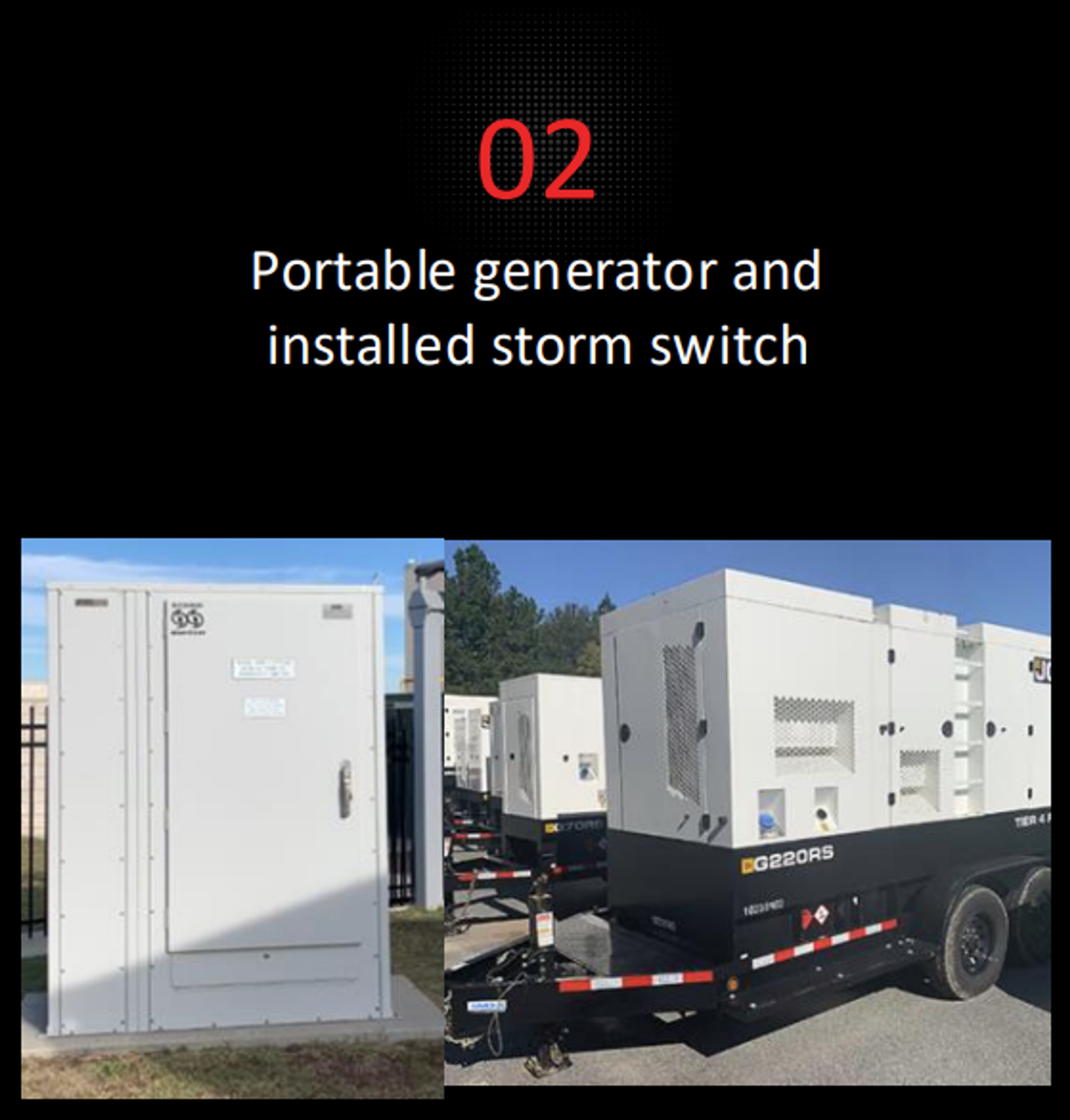
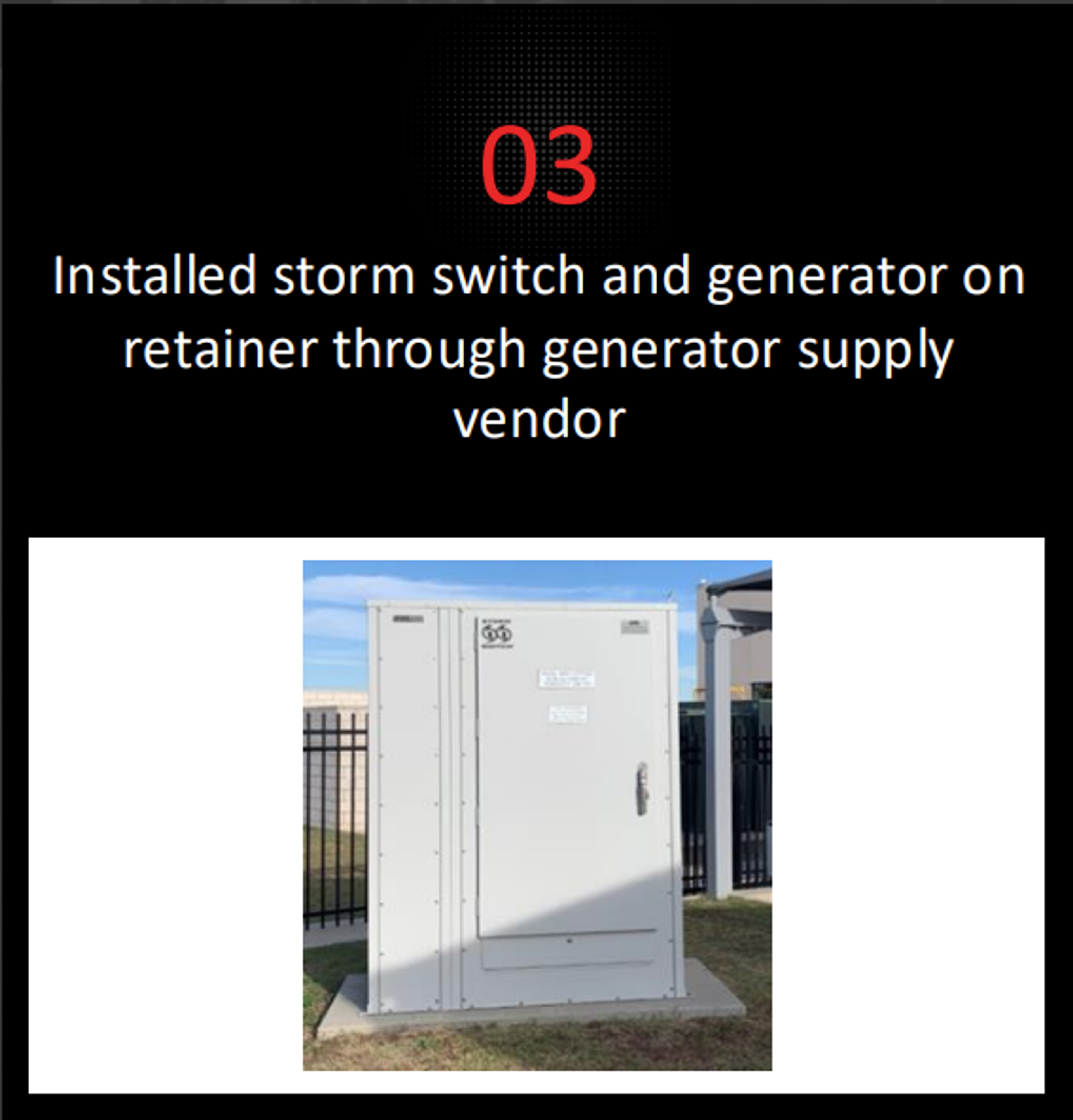
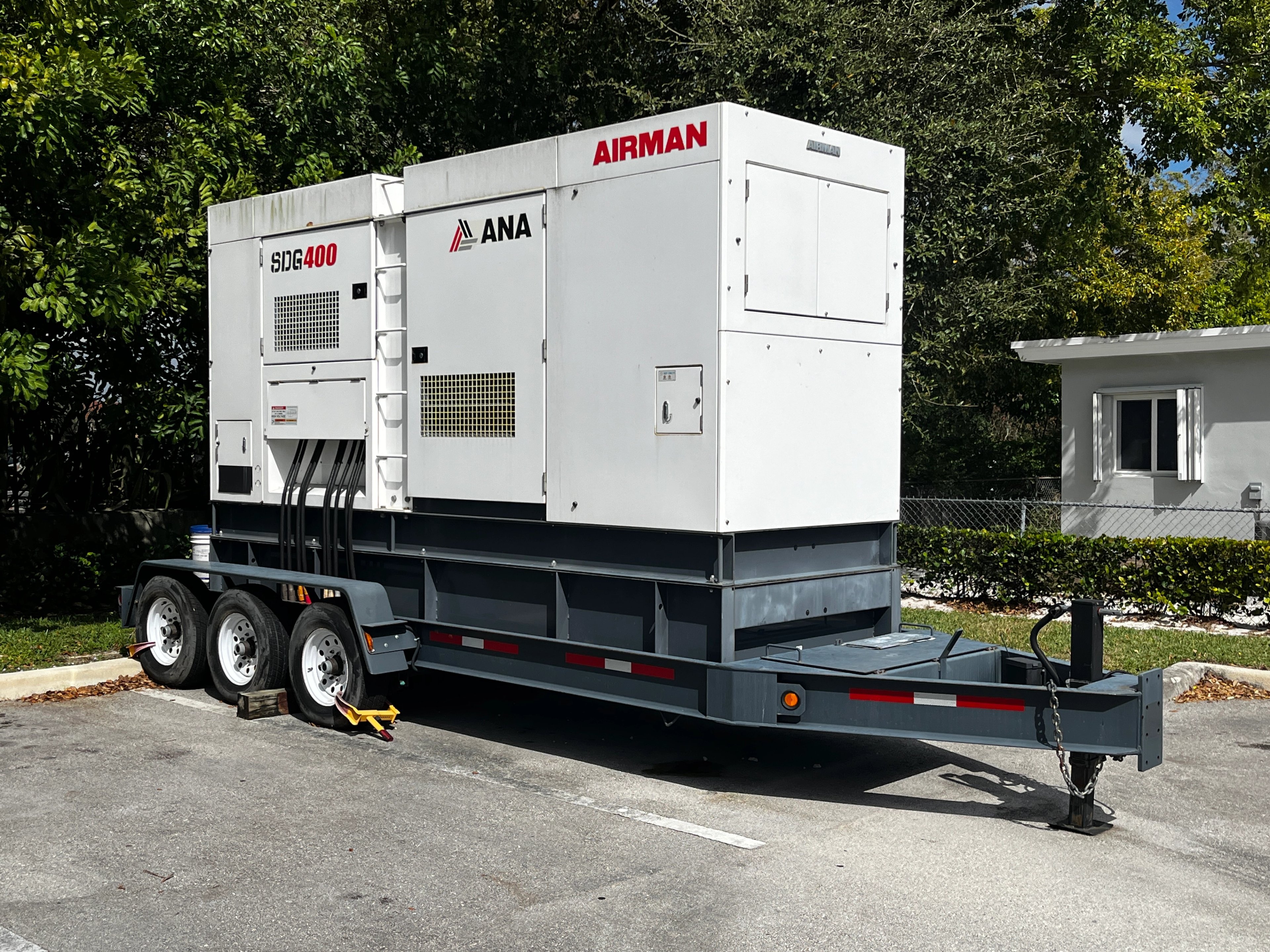
- Transfer Switch and/or Docking Station Information

VendorsSignageFurnitureLightingACMPortalParts + ServiceGraphicsEV Vendors/InstallersBranded Fixtures
Looking to Buy a Toyota?Explore Toyota
TMNA Facility WebsiteToyota Dealership Facilities Portal
©2026 SET